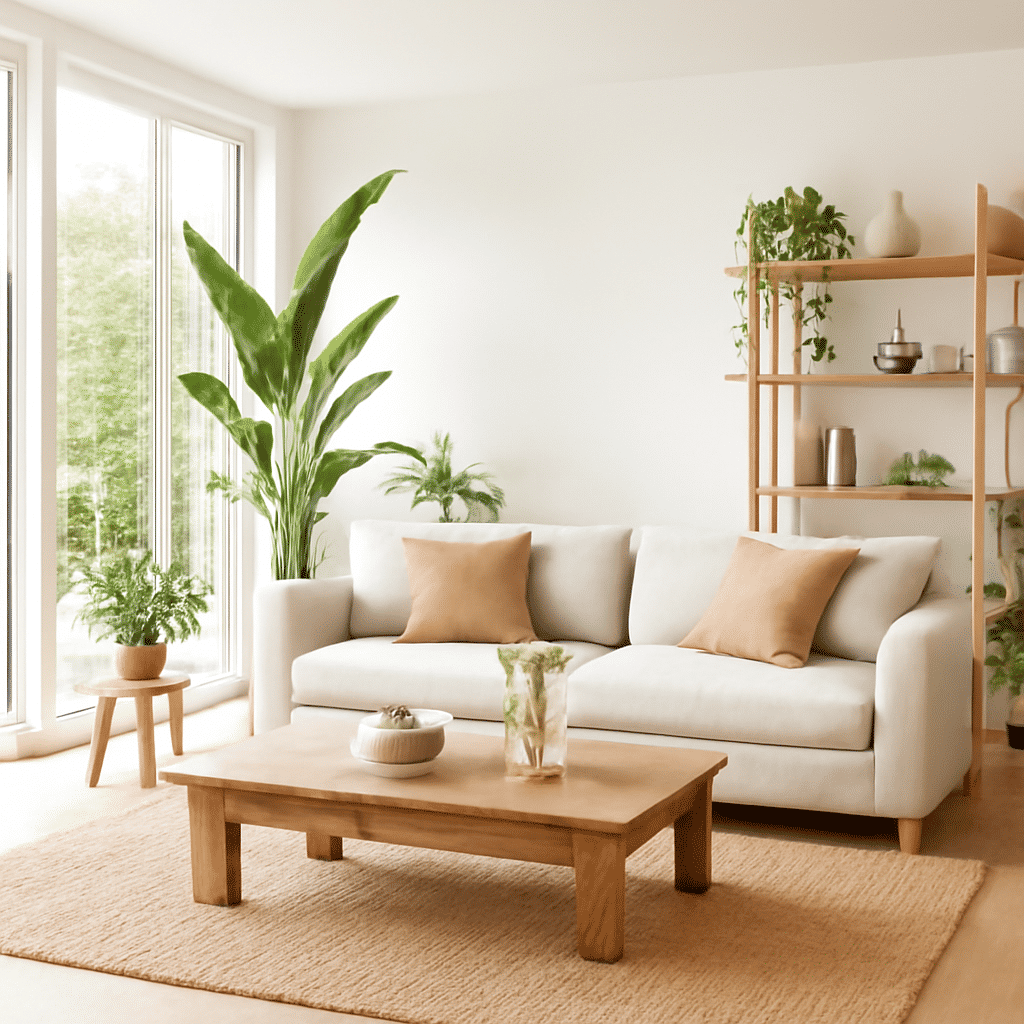
In today's world, as the urgency of tackling environmental issues becomes increasingly evident, integrating eco-friendly designs into our homes is not just a trend, but a necessary shift towards a more sustainable future. Embracing eco-friendly designs means creating spaces that not only reduce our environmental impact but also enhance the well-being of their inhabitants. Let's explore how sustainable materials and green energy solutions can be seamlessly incorporated into your home.
Understanding Sustainable Materials
At the heart of eco-friendly designs are sustainable materials. These are resources that are either renewable or have minimal impact on the environment during their production process. Bamboo, for instance, is a fantastic alternative to traditional wood. Known for its rapid growth and durability, bamboo is an ideal material for flooring or furniture.
Recycled materials also offer remarkable eco-friendly solutions. Reclaimed wood, often sourced from old barns or factories, adds a rustic charm to any home while reducing the demand for new timber. Similarly, recycled metal and glass can be used in a variety of applications, from kitchen countertops to decorative elements.
Green Energy Solutions
Incorporating green energy solutions is another pivotal aspect of eco-friendly designs. Solar panels are perhaps the most well-known method, providing a renewable energy source that decreases dependency on fossil fuels. Their installation can significantly reduce electricity bills while contributing to a cleaner environment.
Beyond solar panels, consider geothermal heating and cooling systems. By utilizing the stable temperatures underground, these systems offer an efficient way to regulate your home’s temperature without relying heavily on non-renewable energy sources.
Additionally, adopting energy-efficient appliances is a practical step towards sustainability. From LED lighting to high-efficiency washing machines and refrigerators, these appliances consume less energy, thus reducing the overall carbon footprint of your household.
Water Conservation Techniques
Eco-friendly home designs also emphasize water conservation. Low-flow faucets, showerheads, and toilets can significantly decrease water usage without sacrificing performance. Rainwater harvesting systems provide another innovative solution. These systems collect runoff from rooftops, which can then be used for gardening and other non-potable purposes, reducing reliance on municipal water supplies.
Indoor Environmental Quality
A truly eco-friendly home promotes not just environmental sustainability but also the health and comfort of its residents. This involves using non-toxic, natural paints and finishes that minimize indoor air pollution. Additionally, incorporating ample natural light and ventilation can greatly improve indoor environmental quality, thus enhancing the overall living experience.
The Beauty of Nature
Integrating nature into the design of your home is a hallmark of eco-friendly living. Biophilic design elements, such as indoor plants and green walls, not only beautify spaces but also purify the air and boost mental well-being. Outdoor spaces can also be designed with sustainability in mind by using native plants in landscaping, which require less water and provide habitats for local wildlife.
Conclusion: A Harmonious Future
An eco-friendly home is not only a thoughtful approach to design but a meaningful step towards a sustainable lifestyle. By blending sustainable materials, green energy solutions, and nature-inspired aesthetics, you create a living space that honors both the planet and the people inhabiting it. As more individuals make these changes, the collective impact can lead us toward a healthier, more sustainable future.