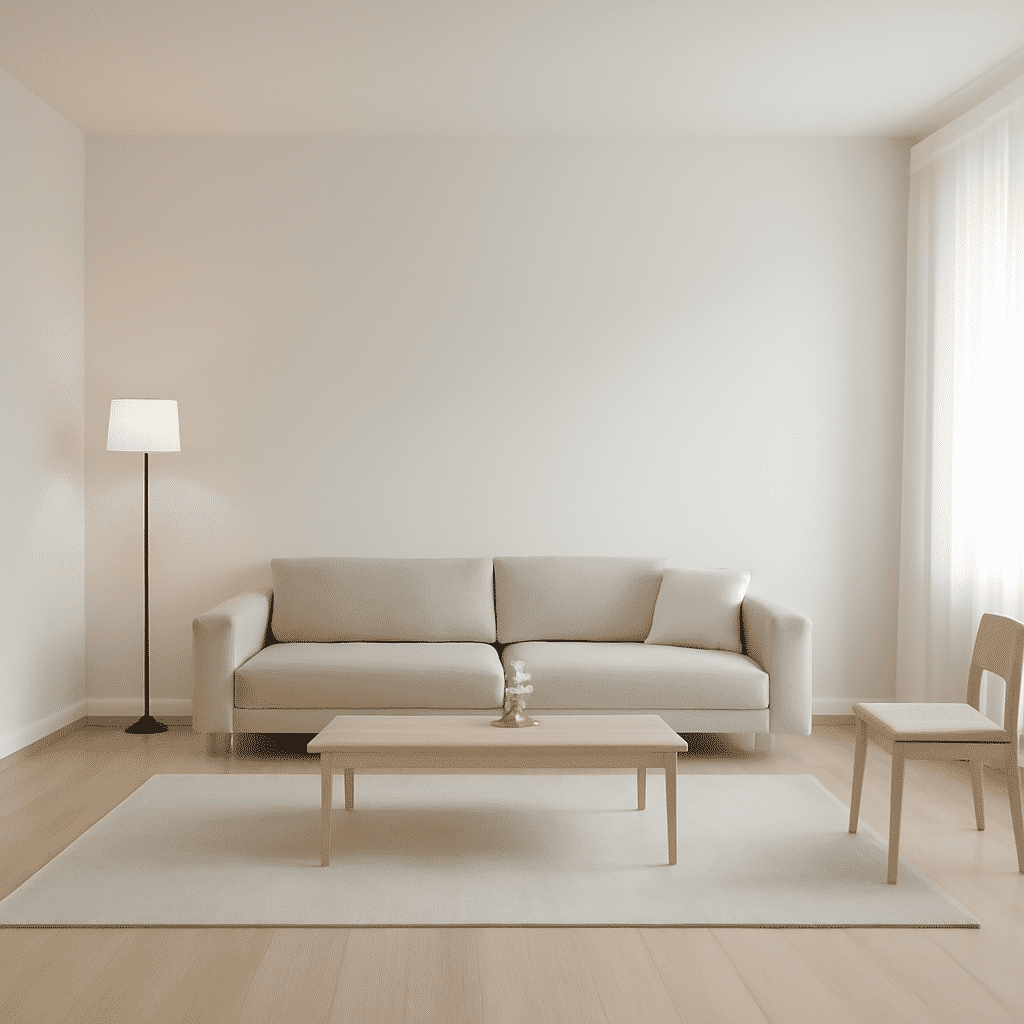
In a world often characterized by chaos and complexity, the allure of minimalist interiors has never been more compelling. The minimalist design philosophy emphasizes simplicity, function, and a restrained use of materials and ornaments. By stripping away the unnecessary and focusing on the essentials, minimalist interiors create a serene and clutter-free environment that can profoundly impact one's mental and emotional well-being.
At the heart of minimalist interiors is the concept of "less is more." This idea champions quality over quantity, advocating for spaces that are thoughtfully curated rather than overcrowded. The result is a clean, uncluttered environment that evokes a sense of peace and tranquility. Such spaces are not only aesthetically pleasing but also foster a sense of calm and order, which can be especially beneficial in today's fast-paced world.
Color plays a pivotal role in minimalist design. Neutral palettes, typically comprising whites, grays, and earth tones, dominate minimalist interiors. These colors serve as a backdrop that enhances natural light and creates an open, airy feel. The subtlety of these hues also allows for versatility, enabling personal touches without overwhelming the space.
Furniture in minimalist interiors is selected with the utmost care, emphasizing functionality and form. Pieces are often simple, with clean lines and minimal ornamentation, yet they are designed with precision and purpose. The focus is on quality craftsmanship and durable materials, which ensure longevity. This approach not only supports a sustainable lifestyle by reducing waste but also encourages thoughtful consumption.
Another core aspect of minimalist interiors is the deliberate use of space. Rooms are designed to maximize openness, eliminating unnecessary partitions and promoting a fluid, cohesive flow. This openness is further enhanced by strategic organization and storage solutions, which keep living areas free from clutter without sacrificing accessibility. By organizing possessions in an orderly fashion, these spaces reinforce a sense of serenity and control.
Incorporating nature into minimalist designs can also greatly enhance the ambiance of a space. Houseplants or large windows that showcase views of the outdoors can bring elements of nature inside, fostering a connection with the world beyond the walls. Natural materials such as wood, stone, and bamboo are often used in minimalist interiors to add texture and warmth, complementing the otherwise calm and neutral aesthetic.
Lighting is crucial in creating a welcoming minimalist space. Natural light is preferred, so large windows and open spaces are used to maximize its presence. For artificial lighting, fixtures with a simple design are chosen to blend seamlessly into the space. The aim is to provide adequate illumination without diverting attention from the room's simplicity.
Decorative elements, although minimal, are not entirely absent in a minimalist interior. When used, these elements are intentional and hold personal significance or add aesthetic value without contributing to visual noise. A single piece of artwork, an eye-catching sculpture, or a carefully chosen textured rug can serve as a focal point, adding personality without detracting from the overall minimalist theme.
Ultimately, the success of a minimalist interior lies in balance and restraint. It is about creating harmony between the various components—space, light, color, and materials—and ensuring that every element has a purpose. Minimalism encourages mindfulness in how we occupy our physical spaces, which can translate into greater clarity and peace in our daily lives.
Embracing minimalist interiors is not just about achieving a certain look; it is about adopting a lifestyle that values simplicity and mindfulness. In doing so, we create spaces that not only meet our basic needs but also nurture our mental and emotional health, inviting us to live more thoughtfully and intentionally.