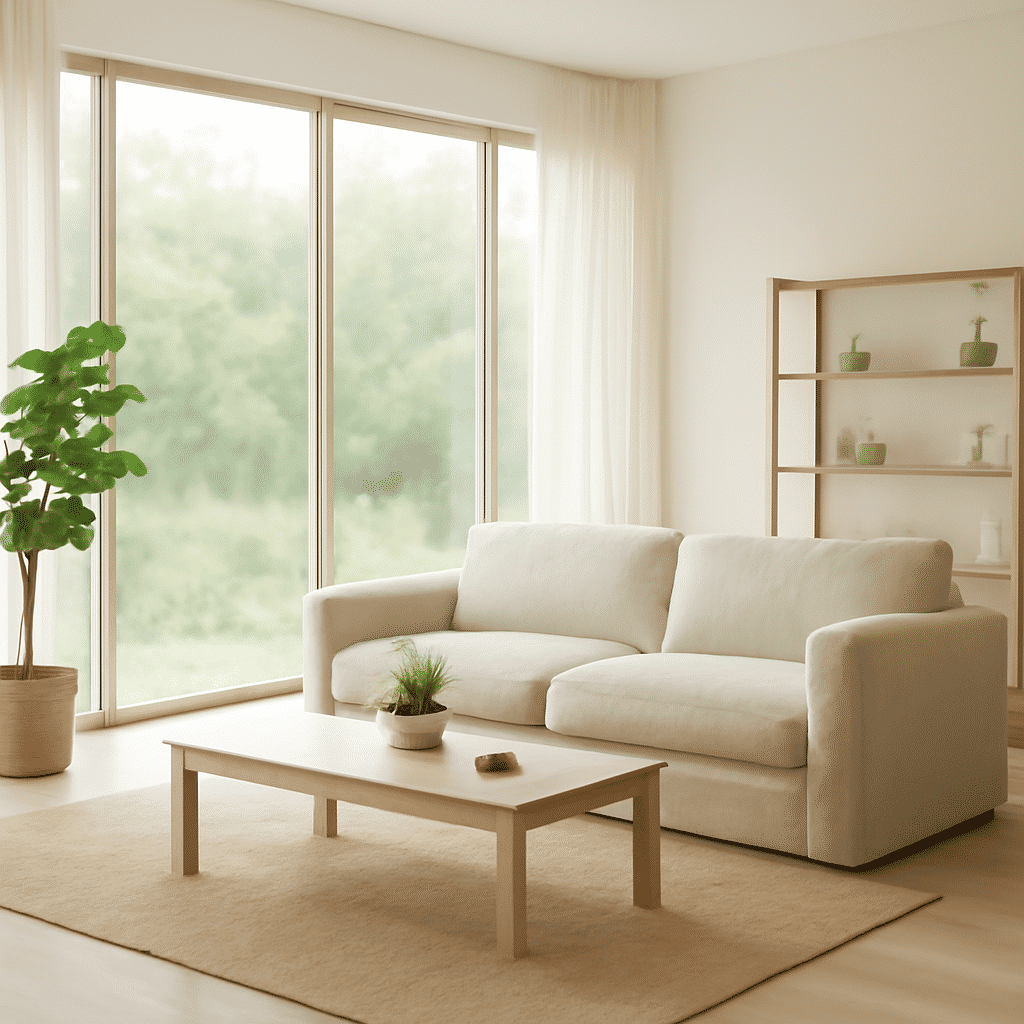
In a world increasingly conscious of environmental impact, eco-friendly design has emerged as a pivotal approach in creating living spaces that are both sustainable and stylish. This design philosophy integrates practicality with aesthetics, emphasizing reduced environmental footprint while maintaining, or even elevating, modern interior and architectural aesthetics.
At the heart of eco-friendly design is the principle of sustainability. This involves the use of responsibly sourced materials, which not only contributes to the health of our planet but also enhances the indoor environment. Wood certified by the Forest Stewardship Council (FSC), bamboo, reclaimed materials, natural stone, and recycled steel are popular choices that support this initiative. These materials ensure durability and often require less energy to produce, adding to their economic benefits.
The incorporation of energy-efficient systems is another crucial component. The use of solar panels, wind turbines, or geothermal heating can significantly reduce reliance on non-renewable energy sources. Moreover, smart home technologies, such as programmable thermostats and energy management systems, optimize energy use. For lighting, LED bulbs or smart lighting systems offer immense energy savings and longer lifespans compared to traditional lighting solutions.
Water conservation also plays a significant role in eco-friendly design. Fixtures like low-flow toilets and faucets, along with rainwater harvesting systems, greatly reduce water wastage. Greywater recycling systems can also be integrated, allowing water from sinks and showers to be reused for irrigation or flushing toilets, thereby conserving valuable resources.
Indoor air quality significantly affects inhabitants' health and well-being, making it an essential consideration in sustainable design. Non-toxic, low-VOC (Volatile Organic Compounds) paints, finishes, and adhesives help minimize harmful emissions within the living space. Additionally, the introduction of ample natural light through strategically placed windows and skylights can reduce the need for artificial lighting, while also enhancing occupants’ mood and productivity.
Plants are another key element in eco-friendly design. Indoor greenery not only adds aesthetic appeal but also improves air quality by absorbing carbon dioxide and releasing oxygen. Vertical gardens and living walls are innovative ways to incorporate plants into small spaces, making a powerful statement while optimizing limited square footage.
Moreover, thoughtful spatial design can aid in minimizing waste and maximizing function. Modular furniture and adaptable layouts allow spaces to serve multiple purposes, reducing the need for excess furnishings and promoting a more minimalist approach. This versatility is particularly valuable in urban environments where space is at a premium.
Finally, sustainable design is not solely limited to physical elements but also extends to cultivating a lifestyle of sustainability. Encouraging habits such as recycling, composting, and choosing products with minimal packaging can amplify the positive environmental impact of eco-friendly living spaces.
In essence, an eco-friendly design is more than just a trend; it is a commitment to a lifestyle that prioritizes the health of our planet and its inhabitants. It seamlessly blends functionality with beauty, proving that we do not need to sacrifice style for sustainability. As awareness and technology continue to progress, the future of living spaces holds boundless potential for incorporating sustainable practices into every facet of design, ensuring that sustainable and stylish can indeed go hand in hand.